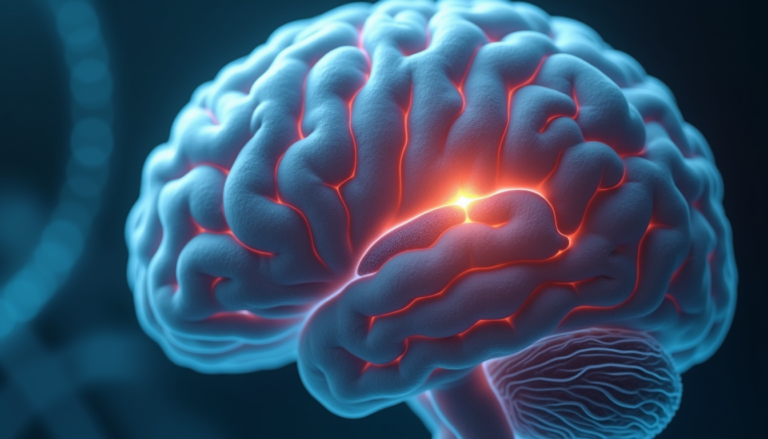
The Alarming Link Between Alcohol and Mental Health in Florida
Alcohol use and mental health problems often go hand in hand, creating a complex and dangerous cycle. In Florida, many people struggle with depression and anxiety, and alcohol can make these conditions worse. Understanding how alcohol affects mental health, recognizing signs of problematic drinking, and knowing when to seek professional help are crucial steps toward recovery.

How Alcohol Worsens Depression and Anxiety
Alcohol is a central nervous system depressant. While it might seem to relieve stress or lift mood temporarily, its long-term effects often increase symptoms of depression and anxiety. Drinking alcohol changes brain chemistry, affecting neurotransmitters that regulate mood and emotions.
-
Short-term relief, long-term harm: Alcohol may initially reduce feelings of anxiety or sadness, but as it wears off, symptoms often return stronger.
-
Disrupted sleep: Alcohol interferes with sleep quality, which is essential for mental health. Poor sleep worsens depression and anxiety.
-
Increased risk of suicidal thoughts: Studies show that alcohol use raises the risk of suicidal ideation, especially in people with existing depression.
-
Physical health decline: Chronic alcohol use can lead to health problems that further impact mental well-being.
In Florida, where mental health resources can be stretched thin, the combination of alcohol and untreated depression or anxiety creates a serious public health concern.
Identifying Problematic Drinking Patterns
Not everyone who drinks alcohol experiences mental health issues, but certain patterns signal trouble. Recognizing these signs early can prevent worsening conditions.
-
Drinking to cope: Using alcohol to manage feelings of sadness, worry, or stress.
-
Increased tolerance: Needing more alcohol to feel the same effects.
-
Withdrawal symptoms: Experiencing anxiety, irritability, or physical symptoms when not drinking.
-
Neglecting responsibilities: Missing work, school, or social obligations due to drinking.
-
Continued use despite problems: Drinking even when it causes or worsens mental health issues.
If you or someone you know shows these signs, it may be time to consult a substance use psychiatrist or seek dual diagnosis treatment.
Psychiatric Treatment for Co-Occurring Disorders
Dual diagnosis treatment addresses both substance use and mental health disorders simultaneously. This approach is essential because treating one without the other often leads to relapse or incomplete recovery.
-
Integrated care: Mental health professionals and addiction specialists work together to create a personalized treatment plan.
-
Therapy options: Cognitive-behavioral therapy (CBT), dialectical behavior therapy (DBT), and other evidence-based therapies help manage both alcohol use and mental health symptoms.
-
Medication management: Some medications can treat depression or anxiety without interacting negatively with alcohol, but careful monitoring is necessary.
-
Support groups: Peer support groups provide community and encouragement during recovery.
In Florida, many clinics offer dual diagnosis programs tailored to the unique needs of individuals struggling with alcohol and mental health issues.
Medication Considerations with Alcohol Use
Medications prescribed for depression and anxiety may interact dangerously with alcohol. It is critical to discuss alcohol use openly with your healthcare provider.
-
Reduced effectiveness: Alcohol can make antidepressants and anti-anxiety medications less effective.
-
Increased side effects: Combining alcohol with certain medications can cause drowsiness, dizziness, or even more severe reactions.
-
Risk of overdose: Mixing alcohol with some psychiatric medications increases the risk of overdose or poisoning.
Always follow your psychiatrist’s advice and avoid alcohol if you are taking medications for mental health conditions.
Taking Action in Florida
If you or a loved one is struggling with the alcohol depression Florida connection, help is available. Early intervention improves outcomes and quality of life.
-
Reach out to a substance use psychiatrist: These specialists understand the complexities of dual diagnosis and can guide treatment.
-
Explore dual diagnosis treatment centers: Facilities in Florida offer comprehensive care for co-occurring disorders.
-
Use community resources: Support groups, hotlines, and counseling services provide valuable assistance.
-
Educate yourself and others: Understanding the alcohol anxiety connection helps reduce stigma and encourages seeking help.
Mental health and substance use disorders are treatable. Taking the first step toward help can change the course of your life.
Get help at Ascend Psychiatry & Wellness: Learn more about our depression treatment, or request an appointment with our Florida-licensed team.
Medical Disclaimer: The content on this page is intended for informational purposes only and is not a substitute for professional medical advice, diagnosis, or treatment. Always seek the guidance of a qualified healthcare provider with any questions you may have regarding a medical condition or treatment. If you are experiencing a psychiatric emergency, please call 911 or go to your nearest emergency room.